


ABOUT THIS BOOK
PUBLISHER: Birlinn General
FORMAT: Paperback
ISBN: 9781780271026
RRP: £9.99
PAGES: 256
PUBLICATION DATE:
September 3, 2012
BUY THIS BOOK
As an Amazon Associate and Bookshop.org affiliate we earn from qualifying purchases.
St Kilda
George Seton
The small island archipelago of St Kilda, which rises majestically from the stormy waters of the North Atlantic, has a magic and allure which is both enduring and inexplicable. For centuries, St Kilda’s remoteness (it lies sixty miles west of the Scottish Hebrides), together with the way of life of its inhabitants, has attracted huge attention from outsiders, who have been fascinated by this small community literally clinging to the edge of the world. Although St Kildans were always few in number (the population was under 100 when Hirta, the only inhabited island, was evacuated in 1930), their society was extraordinarily well developed – they famously had their own daily ‘parliament’, at which the men of the island would meet and discuss the tasks of the day. George Seton visited St Kilda in the summer of 1876 and wrote this account immediately afterwards. He brilliantly summarises previous material about the islands, surveys local incidents from the beginning of the seventeenth century, and provides a wealth of information about the daily life and unique customs which were soon to die out under the impact of increasing exposure to the outside world.Aside from being one of the most significant books on this extraordinary place ever written, Seton’s book is also a fascinating insight into the mind-set of the Victorian traveller confronted with a place and a society for which nothing could have prepared him.
ALSO ON BOOKS FROM SCOTLAND
-

David Robinson Reviews: Our Noble Selves by Kate Atkinson
‘As I suggested at the start, there’s a whole heap of plot in Our Noble Selves – spies, murders, and …
-
‘They had spoken perhaps ten sentences each and it had already begun. Moira’s resentments, her preju …
-

Ayont the Thistle by Jim Mackintosh, Alan Riach and James Robertson
‘Nane ae this then but – ma hert daen its hing/ an yon wee smile ae yours in the saft smir ae the ga …
-

David Robinson Reviews: This Door of the Seas
‘He sees what he wants to. And it makes a kind of sense too – especially to colonists from Scotland, …
-
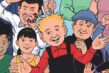
The Broons and Oor Wullie Celebrate their 90th Birthdays!
‘Whatever the future may hold, we can be sure that The Broons and Oor Wullie will always be a part o …
-

Pretty Valuable Things by A. J. Leslie
Harper considered Charles for a few moments, lit a cigarette, then said ‘we are treating it as murde …
FEATURED AUTHOR:
Agnes Owens

Agnes Owens is one of Scotland’s most original but often overlooked short fiction authors. Readers are seeking out undiscovered classics from the recent past, and these seven works are hidden literary gems that are sure to engage readers and find a wid …
FEATURED PUBLISHER:
Waverley Books

Quirky, special, niche and Scottish, Waverley Books publish well-designed, high-quality books on Scotland, history, trains, nostalgia, fiction, cookery. We’ve been publishing books for the past 25 years.