


ABOUT THIS BOOK
PUBLISHER: Birlinn General
FORMAT: Electronic book text
ISBN: 9780857908865
RRP: £6.99
PUBLICATION DATE:
June 16, 2015
BUY THIS BOOK
As an Amazon Associate and Bookshop.org affiliate we earn from qualifying purchases.
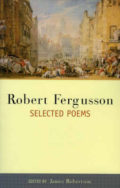
Robert Fergusson: Selected Poems
English, it is his Scots verse which, in its great warmth, humanity, satire, and hilarious comedy, is his enduring legacy. His work covers the whole gamut of human emotions and experience and his subject matter ranges from drunken encounters with the notorious City Guard to quieter reflections on pastoral themes. Fergusson died in 1774 at the age of only 24.


James Robertson
Robert Fergusson’s work covers the whole gamut of human emotions and experience and his subject matter ranges from drunken encounters with the notorious City Guard to quieter reflections on pastoral themes. Fergusson died in 1774 at the age of only 24.
OTHER BOOKS BY THE SAME AUTHOR

ALSO ON BOOKS FROM SCOTLAND
-


‘An Odious Campaign’ by Rob McInroy – Why a 1936 By-Election Still Resonates
‘This enraged the locals and he came close to being run out of town on several occasions.’
-

‘‘That’s right, Bobby,’ he growled. ‘I haven’t seen you in – well, since you decided to kill me.’ ‘
-

David Robinson Reviews: Solitary Agents by David Goodman
‘This is very much an up-to-the-minute story of spycraft, positively revelling in all the things tha …
-

The Savage Landscape by Cal Flyn
‘It is their resistance to the intrusions of the outside world − culturally, economically, environme …
-

The Shortest History of Scotland: A Q & A with Murray Pittock
‘We need to be better aware of that to understand the challenges and achievements of the past, and t …
-

David Robinson Interviews: John Lister-Kaye
‘I enjoy stillness. It creeps up on you and becomes almost a force. I’ve had squirrels run over my f …
FEATURED AUTHOR:
Iain Maloney

Iain Maloney is the author of eight books, including the critically acclaimed The Only Gaijin in the Village (Birlinn, 2020), a memoir about his life in rural Japan. He is also a freelance editor and journalist, mainly for The Japan Times. He was born …
FEATURED PUBLISHER:
Arkbound

Arkbound is a publishing social enterprise based in Glasgow. Their aim is to support authors from disadvantaged and diverse backgrounds to get their voices heard, especially for writing that covers important social and environmental themes. They are on …